What Homeowners Should Know Before Building
- April 7, 2026
- 5:37 pm
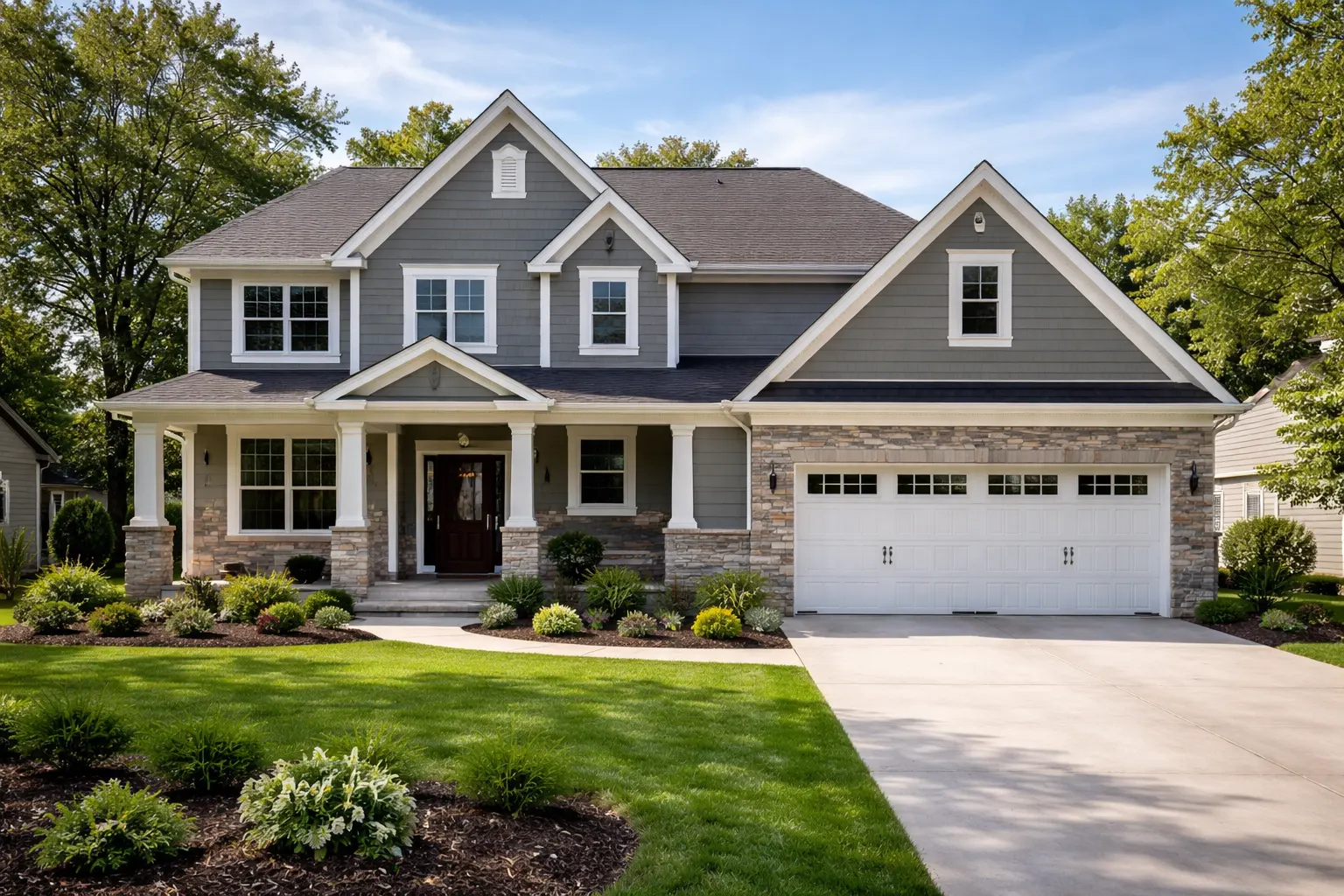
Building a custom home gives homeowners a rare opportunity to shape how a house lives day to day. It can mean getting the right layout, the right amount of space, better storage, more natural light, and a plan that fits long-term needs instead of forcing life into an existing floor plan. But custom homes are not just design projects. They are construction projects that depend on land conditions, utilities, permitting, scheduling, budgeting, and steady communication. The strongest projects usually start with both vision and practical planning. That is consistent with the National Association of Home Builders’ homeowner guidance, which emphasizes clarifying priorities, understanding costs, and planning carefully before work begins.
Start With the Lot, Not Just the House Plan
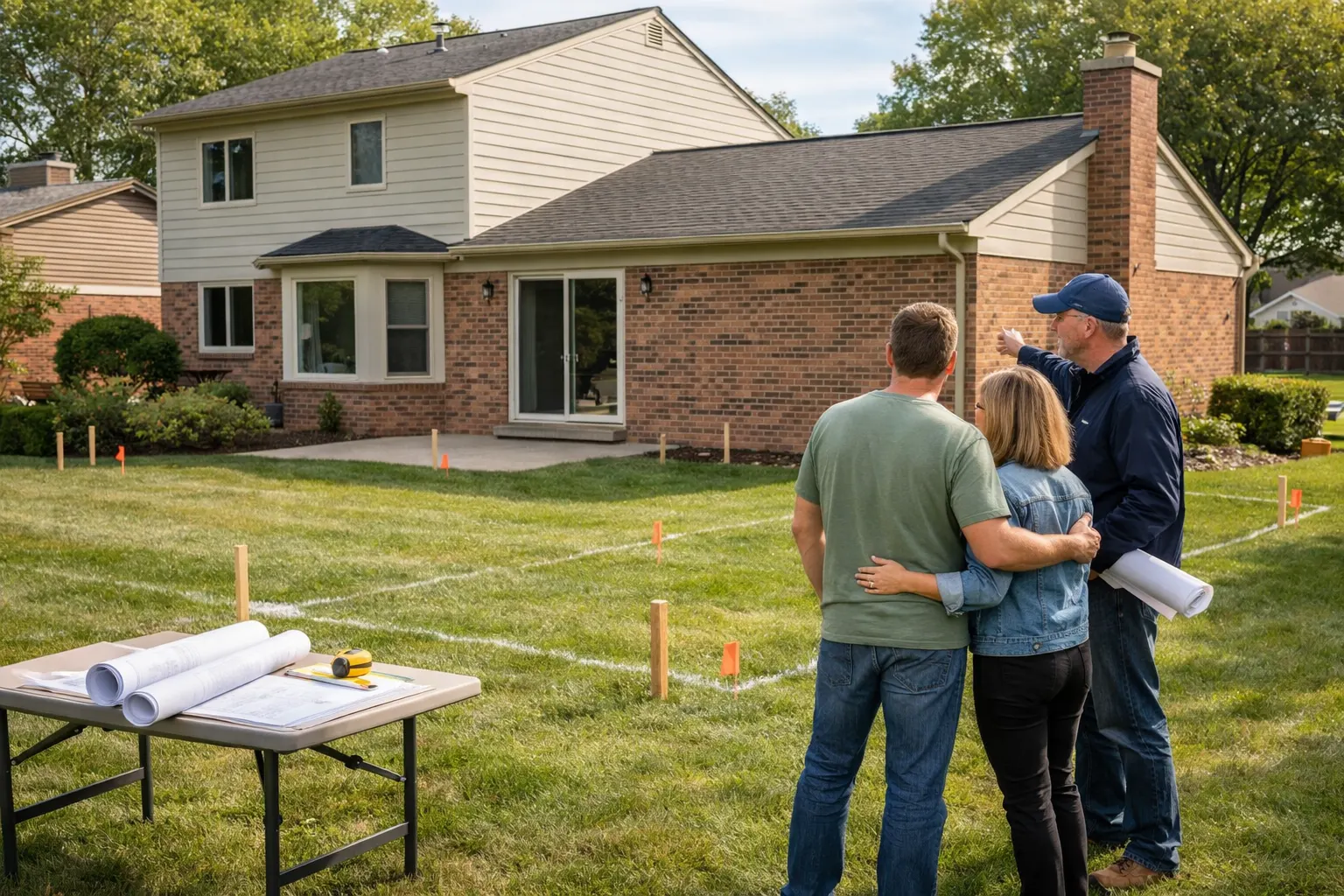
A lot can affect the design more than many homeowners expect. The shape of the parcel, setback requirements, drainage conditions, tree locations, access from the road, and utility availability can all influence where a house can sit and what it costs to build. The City of Livonia’s New Home Construction Guidebook notes that items such as grading, sidewalks, driveways, utility locations and connections, wetlands, steep slopes, flood plains, and zoning requirements can affect the type, location, cost, and length of time it takes to build a home.
This is one reason homeowners should avoid falling in love with a floor plan before understanding the lot. A design that works well on one parcel may require expensive adjustments on another. A walkout basement may depend on grade. A side-entry garage may not fit with setbacks. Mature trees may be worth preserving, but they can also affect placement, access, and utility routing. Good planning starts by making sure the lot and the house are working together.
Budget Beyond the Base House Price
One of the most common early mistakes is focusing too narrowly on the base price of the home. The house itself is only part of the budget. Site work, excavation, foundation conditions, utility connections, permits, driveway work, grading, drainage, and finish upgrades can all move the number. HUD’s homebuying guidance encourages buyers to determine what they can truly afford based on their broader financial picture rather than on a headline number alone. NAHB also points out that reducing square footage, simplifying the footprint, or choosing a more efficient design can lower construction costs.
In practical terms, this means homeowners should ask early questions such as: Is public water and sewer available? Will the site need unusual grading? Is there a long driveway run? Are there retaining walls, engineered drainage solutions, or tree-related costs? Even before finish selections begin, lot-related conditions can create major cost differences between two homes of similar size. Livonia’s guide specifically notes that water and sewer availability should be checked, and that county or state road access may require additional permits before a building permit can be issued.
Site Preparation and Utilities Matter More Than People Think
Site preparation is one of the least glamorous parts of a custom home, but it has a major effect on schedule and budget. The Livonia guide lists grading review, drainage, driveways, utility locations and connections, and possible outside agency permits as part of the permit review process. It also highlights flood plain and wetland concerns, sump discharge requirements, and the need to verify whether city water and sanitary sewer are available.
For homeowners, that means the build does not begin when framing starts. It begins with understanding the site. A lot that looks simple from the street may still have drainage challenges, easements, permit issues, or utility complications. Michigan’s building permit information also notes that permits are handled through the appropriate enforcing agency and can be checked or obtained online, which is a reminder that the approval path itself should be part of the plan.
Plan the Layout for Long-Term Living
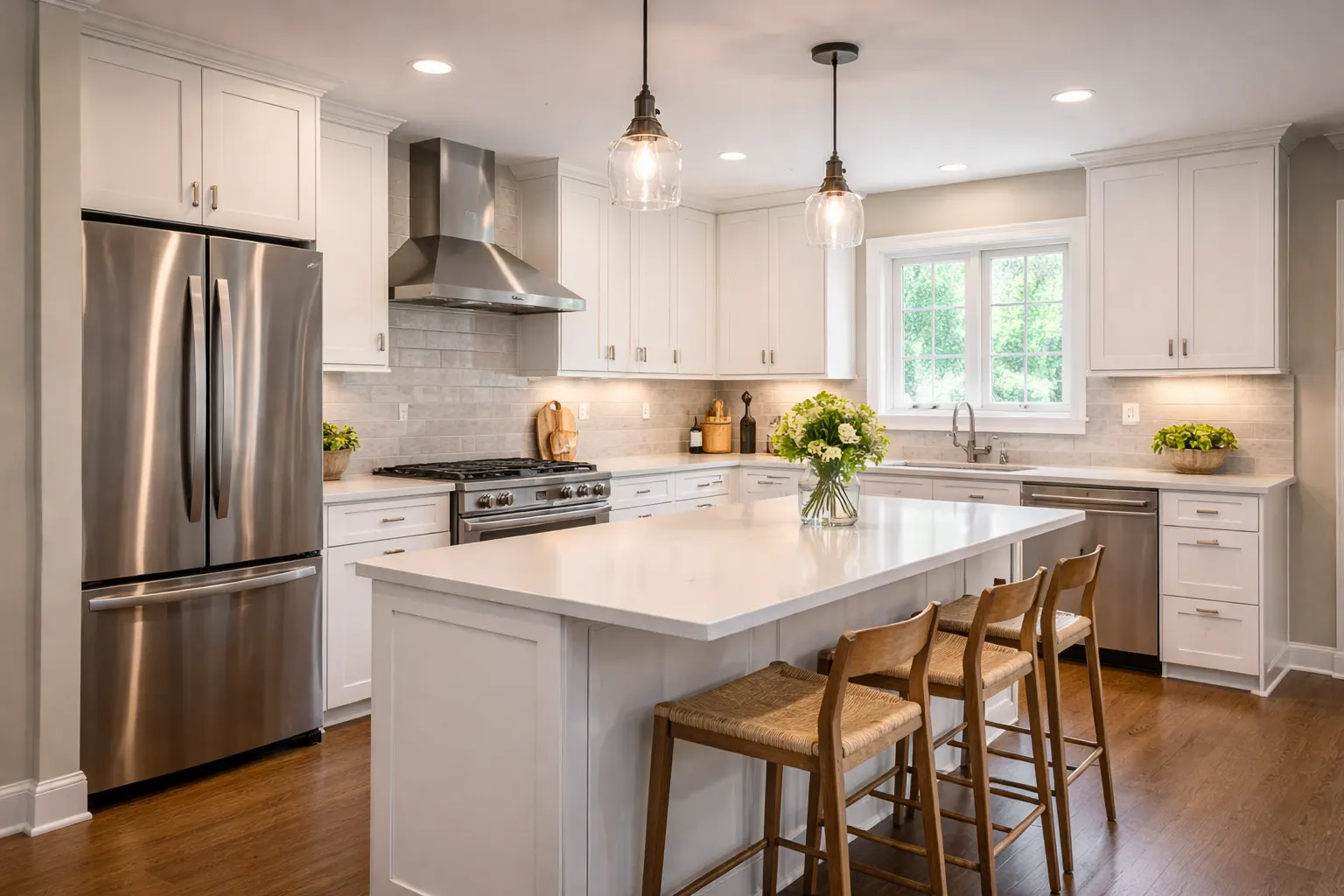
Custom homes should solve today’s needs without creating tomorrow’s frustrations. Layout decisions affect daily life more than many finish choices do. Room placement, storage, traffic flow, mudroom function, laundry location, pantry access, bathroom count, window placement, and first-floor flexibility all shape how comfortable a house feels over time. NAHB’s consumer guidance emphasizes prioritizing needs and wants and thinking carefully about how space will be used.
This is where rushed decisions can hurt a project. Homeowners sometimes spend heavily on visible finishes while underthinking room relationships and storage. A beautiful kitchen can still be inconvenient if it lacks pantry space. A large primary suite can still feel awkward if laundry is on a different floor than daily living spaces. A custom home should reflect design vision, but the strongest plans also respect how people actually move through the home every day.
Materials and Finishes Should Support the Budget and the Build
Selections matter, but timing matters too. Materials and finishes should fit the design, the budget, and the construction schedule. Changes made late in the process can create delays, change orders, and coordination problems. That does not mean every finish must be locked immediately, but major categories should be aligned early enough to keep the project moving smoothly. Livonia’s guide stresses that complete drawings and complete submittals help expedite review and reduce delays. That same logic applies during construction decisions.
Energy performance is also worth planning early. ENERGY STAR notes that sealing and insulating a home can improve comfort and energy efficiency and can reduce annual energy bills. For a custom home, that means homeowners should think beyond appearance and ask about insulation levels, air sealing, HVAC sizing, window performance, and how the envelope will perform in Michigan’s seasonal climate. Those decisions affect comfort for years after the paint colors are forgotten.
Expect the Timeline to Include More Than Construction Days
A custom-home timeline includes design, pricing, revisions, permitting, site preparation, inspections, and final closeout, not just the visible build. Livonia’s guide states that plan review time varies depending on workload and the completeness of the submittal. It also notes that all inspections must be completed and approved before a certificate of occupancy is requested.
That matters because homeowners often underestimate how much time can be spent before the slab or foundation is even started. Delays are not always caused by labor or weather. They can come from incomplete plans, late selections, permit requirements, utility coordination, or changes made after construction is underway. A realistic schedule is built on preparation, not optimism alone.
Builder Communication Is Not a Small Detail
Good builder communication is one of the clearest predictors of a smoother project. The City of Livonia’s guidebook explicitly encourages all parties to keep lines of communication open from start to finish. That advice is simple, but it matters. Custom homes involve many choices, and problems are easier to solve when expectations, responsibilities, and next steps are clear.
For homeowners, that means asking practical questions early. Who is the day-to-day point of contact? When are selections due? How are allowances handled? What happens when a product is backordered? How are field changes approved? Clear communication does not eliminate every surprise, but it usually prevents small issues from becoming expensive ones.
Permits, Approvals, and Inspections Are Part of the Job
Permits are not just paperwork at the end of the design phase. They can shape the design itself. Livonia’s process includes grading review, zoning ordinance review, and building plan review. The city also notes that complete plans help expedite review and that additional approvals may be needed for things like county or state road access, flood plains, wetlands, and tree removal.
Inspections are equally important. Livonia’s guide explains that inspections and approvals are required before certificate of occupancy requests are processed. That means homeowners should expect checkpoints throughout the project, not just one final signoff. When a builder plans around these requirements early, the project tends to move more steadily and with fewer last-minute issues.
Avoid Rushed Decisions
A custom home is full of moments where it is tempting to decide quickly just to keep things moving. That can be costly. Rushed layout changes, late product swaps, or finish decisions made without seeing the larger budget picture can affect both cost and build quality. HUD advises homebuyers to compare carefully and understand the full transaction, and that same mindset applies to custom construction planning: slow down enough to understand the consequence of each major decision.
A grounded process usually works better than an emotional one. That means reviewing plans carefully, confirming site conditions, asking how selections affect allowances and lead times, and avoiding the urge to treat every choice like an upgrade. A custom home should feel personal, but it also needs to be buildable, maintainable, and aligned with the real budget.
Conclusion
Building a custom home can be deeply rewarding, but it works best when design ideas are matched with practical planning. The lot, the utilities, the budget, the layout, the permit process, the selections, and the communication path all influence the final result. A strong custom home is not just attractive on paper. It is well-sited, well-planned, well-coordinated, and built with clear expectations from the beginning. For homeowners in Michigan, that preparation can make the process feel less overwhelming and far more successful.
Sources
- U.S. Department of Housing and Urban Development, home improvement and homeowner guidance
https://www.hud.gov/helping-americans/home-improvements - National Association of Home Builders, remodeling planning guidance
https://www.nahb.org/other/consumer-resources/thinking-about-home-remodeling-start-here - City of Livonia, Home Addition Guide
https://livonia.gov/DocumentCenter/View/3225/Home-Addition-Guide-PDF - Michigan Department of Licensing and Regulatory Affairs, building permit information
https://www.michigan.gov/lara/bureau-list/bcc/sections/permit-section/permits/building-permit-information - ENERGY STAR, sealing and insulation guidance
https://www.energystar.gov/saveathome/seal_insulate
Stay Informed
Recent News
Start Your Project Today
Tell us about your home and what you want to improve. We will review your project and provide clear next steps.